-1.png?width=400&height=95&name=ReachSystems_RGB-001_Full-1c-KO_1000h%20(1)-1.png "ReachSystems_RGB-001_Full-1c-KO_1000h (1)-1")
Discover Compact Winches for Autonomous Ocean Systems
Reach Systems recently exhibited in Booth G604 at Oceanology International 2026 to show how purpose-built reels, winches, and compact cameras support reliable autonomous ocean operations.
Designed for Unmanned Surface Vessels (USVs), smart buoys, and robotic platforms, our systems make it easier to deploy sensors, collect data, and recover equipment—without a crew on deck.
Autonomy Won't Scale Until Our Hardware Does
For all the breakthroughs in unmanned surface vehicles (USV) over the last decade, one truth is becoming hard to ignore: our handling systems haven’t kept pace. The sector talks a lot about advances in endurance, navigation, AI-assisted control, and next-generation sensing. But the unglamorous hardware that actually deploys and retrieves those sensors — small winches, lifts, and handling tools — is often the weak link in an otherwise sophisticated autonomous system.
And that gap, driven largely by a lack of attention to and understanding of winches, is quietly holding the industry back.
As USVs move from trials to real operational work in offshore wind, environmental monitoring, subsea inspection, and defence, the demands placed on them have shifted dramatically. Missions are longer. Data expectations are higher. Operators increasingly expect these vehicles to work as reliably as a crewed asset, but without the energy reserves, deck space, or human intervention those vessels take for granted.
Yet many programs still rely on winches that were never built for autonomy — scaled-down versions of offshore systems that assume someone is standing nearby to intervene when the line jumps a sheave, when torque spikes unexpectedly, or when the drum binds after a week of weather. On a crewed vessel, those are inconveniences. On a USV 200 nautical miles offshore, they are mission-ending events.
This is the industry’s blind spot: believing the vessel is autonomous by itself, instead of recognizing that autonomy depends on hardware built to support it.
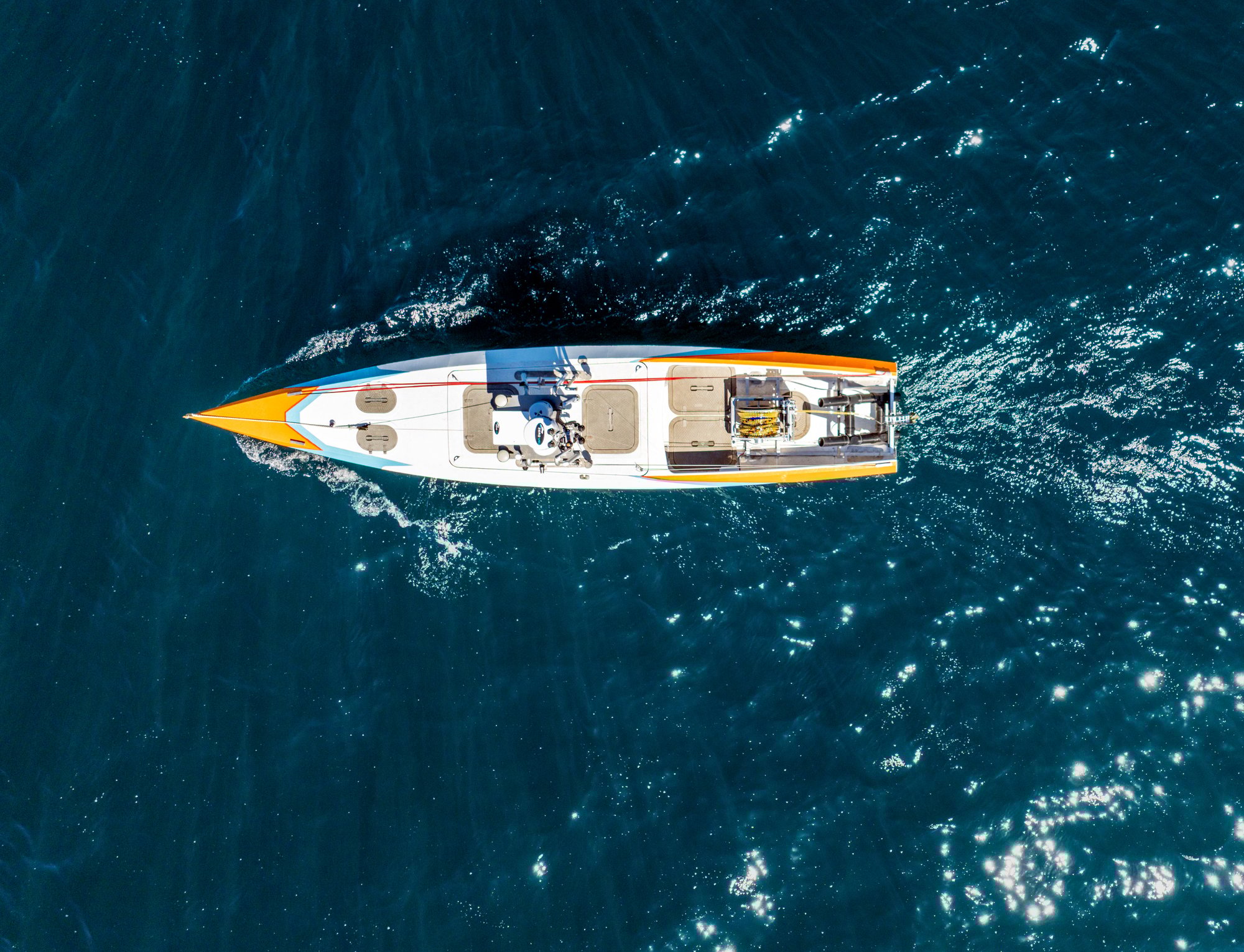
In reality, the mechanical systems matter just as much, and small failures carry outsized consequences. One jammed drum or unexpected power surge can compromise a multi-day data set, force an early recovery, or trigger a far more expensive crewed intervention. As operators adopt fleet-scale autonomy models, even small failure rates quickly erode the economics that make USVs attractive in the first place.
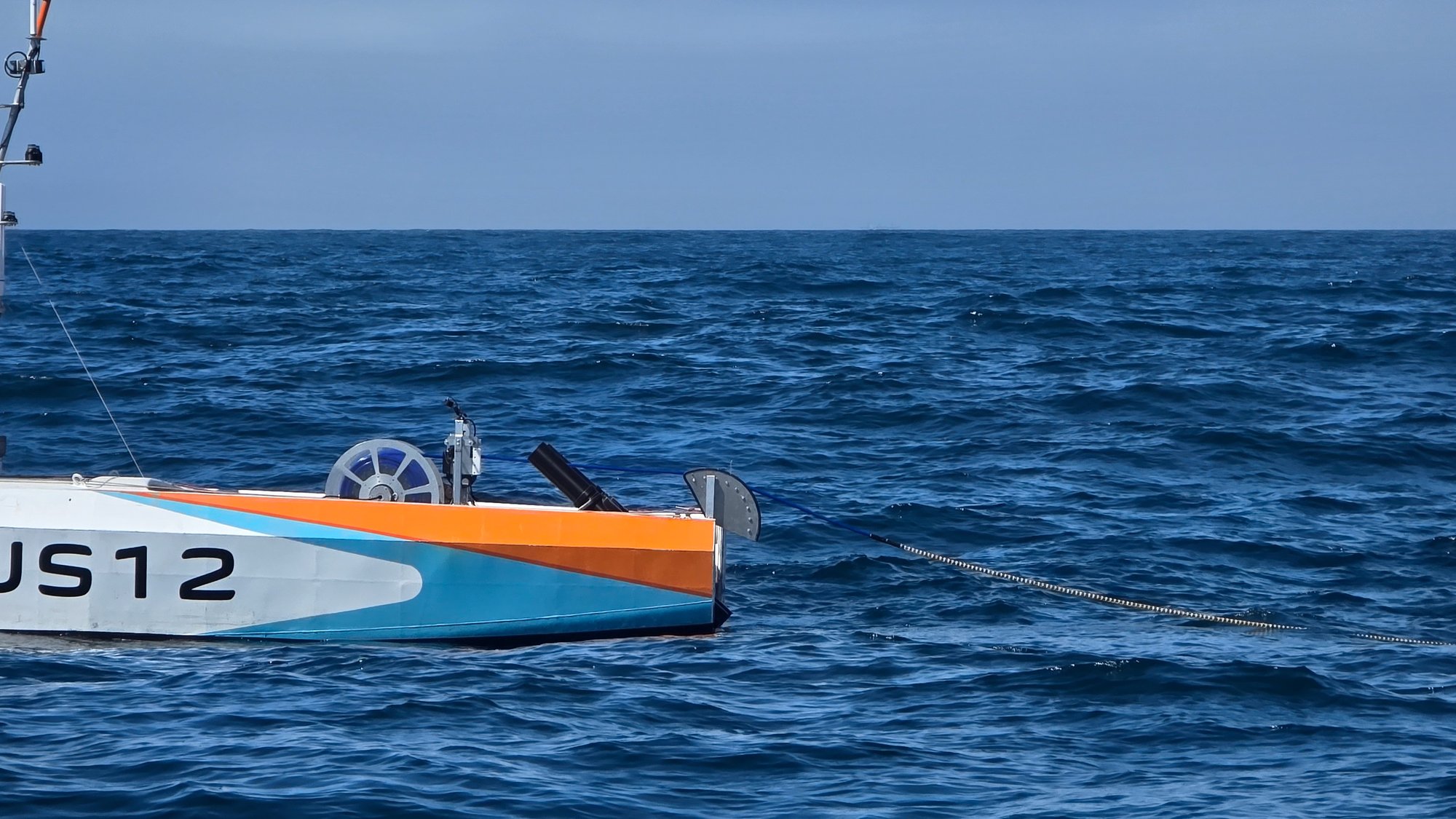
Another challenge lies in integration rather than capability. On a USV, the winch cannot be treated as a standalone component. It must work in concert with the vehicle’s power architecture, sensor layout, and the physical path a line takes off the platform. Deployment mechanisms that are routine on crewed vessels, such as sheaves or A-frames over the stern, introduce constraints on unmanned platforms where space is limited, and configurations are fixed. If the winch, deployment geometry, and onboard instrumentation are not designed to work together from the outset, even a well-designed vehicle can be compromised by how it deploys and recovers its payload.
Across the industry, early adopters of purpose-built compact winches are already reporting the benefits: higher mission repeatability, fewer interventions, cleaner acoustic data, and significant operational savings when running multi-vehicle fleets. These gains aren’t the result of radical design changes; they come from rethinking the purpose of the equipment itself. Instead of treating the winch as a supporting accessory, they treat it as a core enabler of autonomous performance.
As Oceanology International 2026 highlights the rapid evolution of marine robotics, the conversation around autonomy must expand beyond hulls, batteries, and software. The handling systems we choose, especially the compact winches that enable nearly every deployment, will determine how far USVs can truly scale.
Autonomy isn’t just about taking the people off the vessel. It’s about ensuring the vessel can perform flawlessly when no one is there to fix what fails. Until our mechanical systems reflect that reality, the potential of USVs will remain constrained not by imagination, but by hardware.
Autonomous-Ready Handling Systems, Built on Modular Architecture
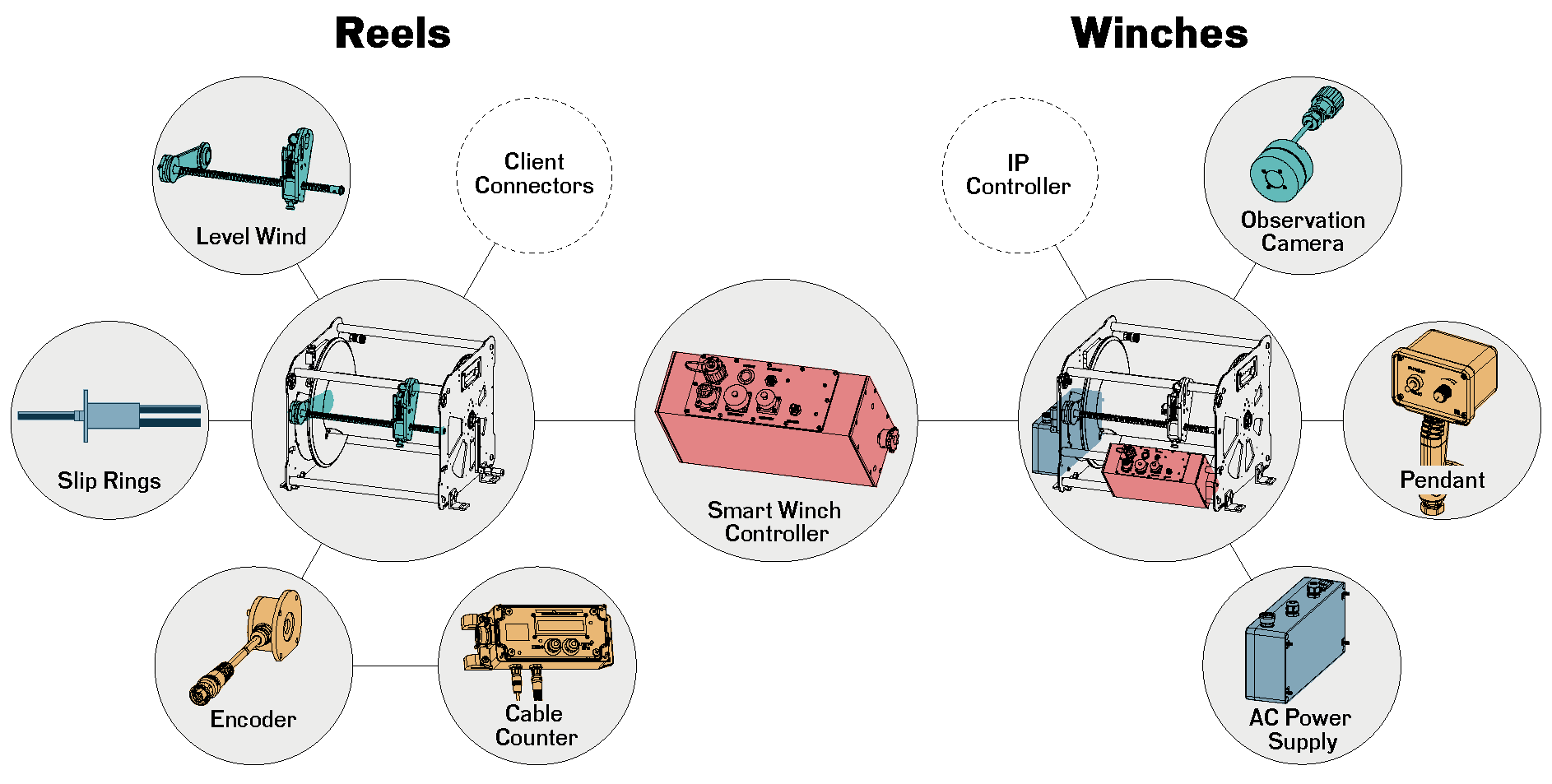
At Oi26, we showcased compact handling systems designed specifically for autonomous marine platforms. Our modular architecture allows systems to scale from simple reels to fully integrated smart winches through configurable components and network-based control.
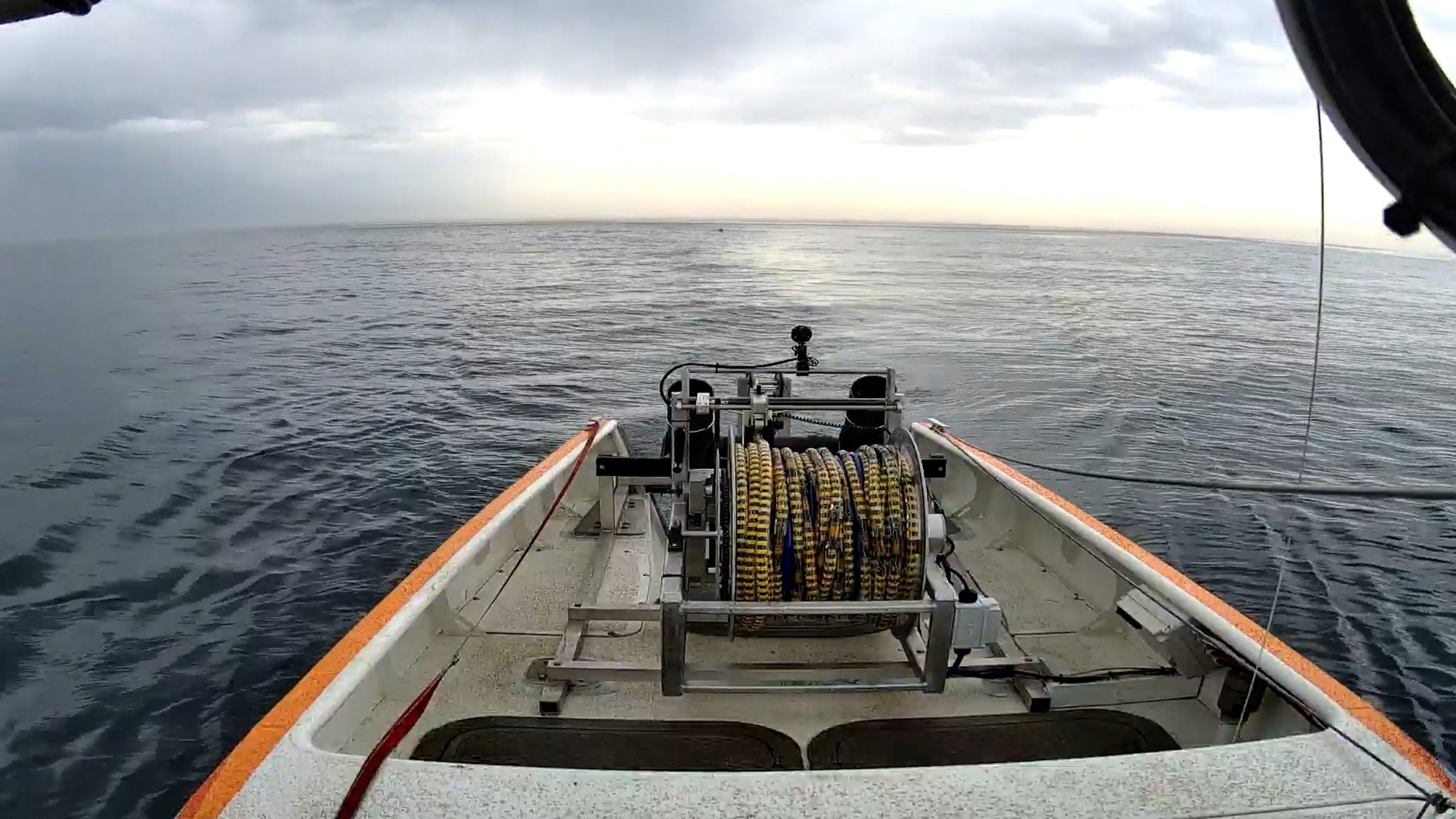
.jpg "Reach Systems Winch on USV")
Cable Reels & Smart Winches
Reach Systems reels and smart winches support the controlled deployment and recovery of oceanographic sensors from USVs, buoys, and small research vessels.
Compact, lightweight, and easy to integrate, these systems manage hundreds of meters of cable while enabling reliable deployments for instruments such as:
- Conductivity, Temperature, Depth (CTD) sensors
- Sound Velocity Profilers (SVPs)
- Hydrophones
- eDNA samplers
- Other environmental monitoring sensors
With web-based control and an open API, they integrate easily with onboard networks, enabling automated deployments and consistent data collection.
Cameras
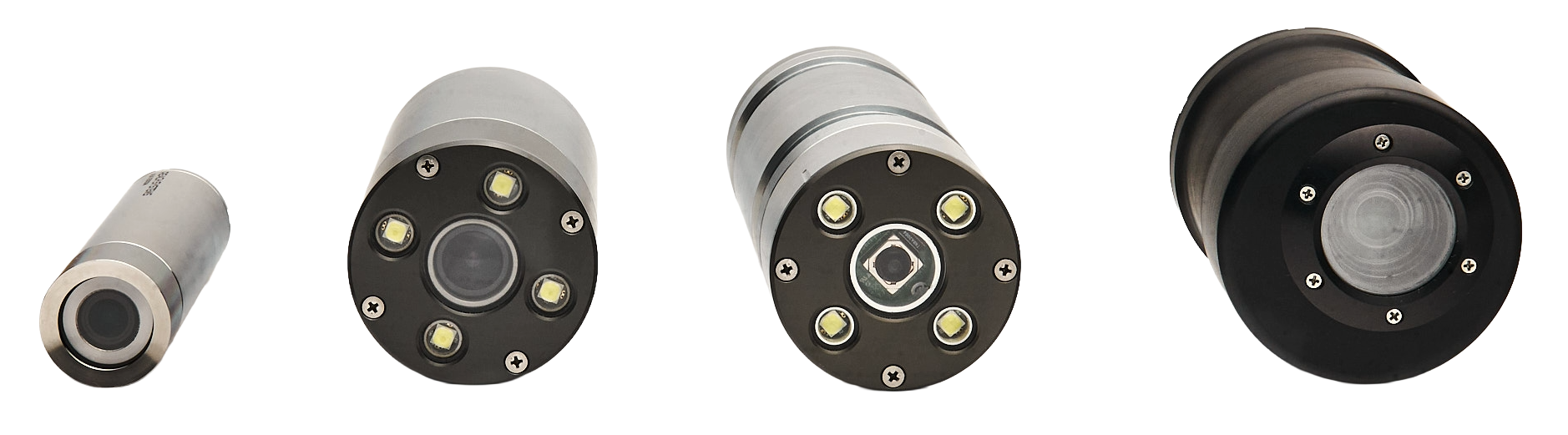
Reach Systems cameras deliver compact, network-based visual monitoring for marine robotics and subsea operations. Designed for integration with USVs, Remotely Operated Vehicles (ROVs), and remote inspection systems, they provide:
-
Lightweight modular designs
-
Low power consumption
-
Ethernet video streaming
-
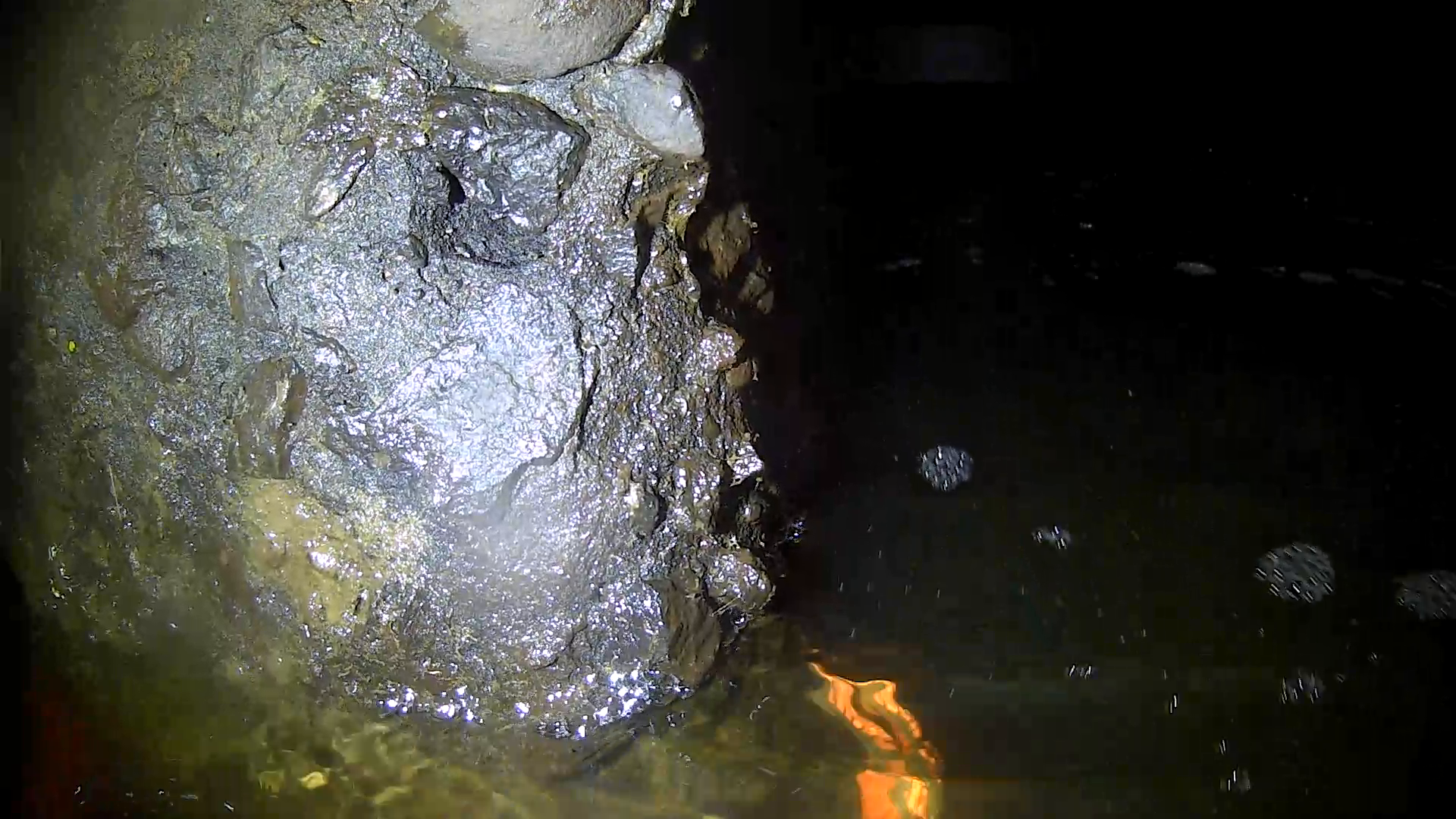
Reliable performance in low-light marine environments
Ideal for inspection, situational awareness, and sensor deployment monitoring in autonomous ocean systems.