Booth 721 · Clean Currents 2026

Clear enough to act on

The Reach Digital Diver Camera System gives hydro owners inspection video they can make decisions on, and gives dive teams a system that captures it cleanly, every dive.

Phoenix Convention Center · 21–25 September 2026

The footage is the record you live with

For a dam owner, an underwater inspection isn't a video file; it's the basis for a maintenance call, an engineering judgement, and a record that has to stand up long after the dive is over. When the footage is murky or inconsistent, the cost rarely shows up as one clear failure. It shows up as re-dives, second-guessed decisions, and reports that raise more questions than they close.

Your dive contractor can only hand you a decision as clear as what they captured. The Reach Digital Diver Camera System, or DDCS, is built so that what comes back up is clear, consistent, and ready to act on.

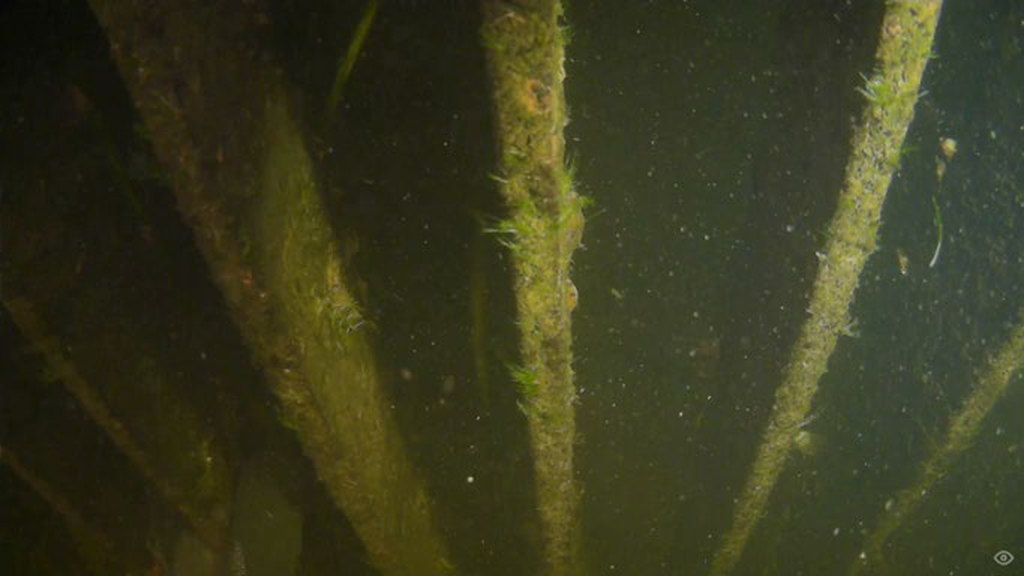
Competitor system runs on the left, the Reach DDCS on the right, over fouled submerged structure.

What each system brings back

J.F. Brennan Company ran the Reach DDCS alongside a competitor diver camera system on comparable submerged structure. These are frames from that work. Neither side has been colour corrected or sharpened.

Competitor system
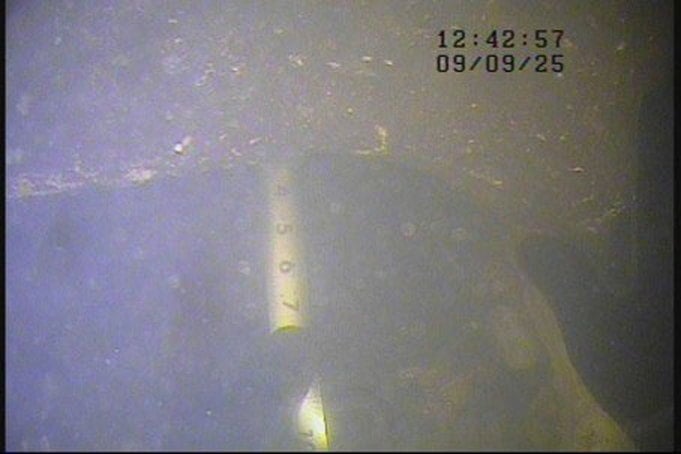
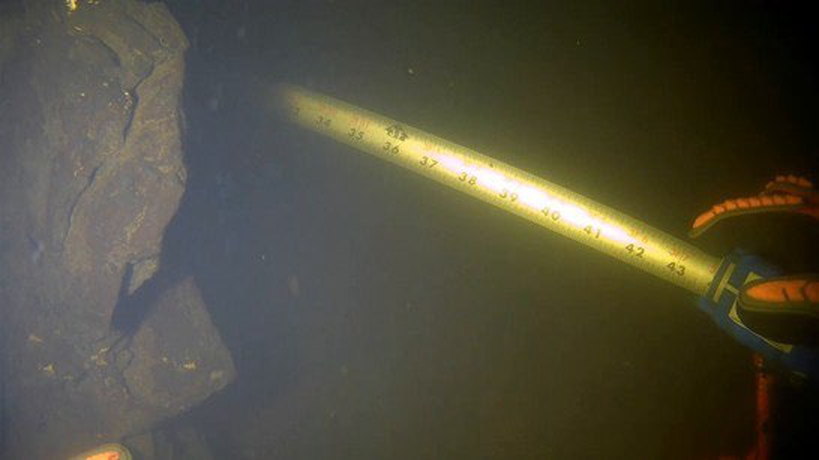
Competitor camera frame of a folding ruler held against a submerged member

Reach DDCS

Reach DDCS frame of a folding ruler held against a submerged member, graduations legible
A folding ruler held against a corroded member. Whether the graduations are legible decides whether this footage is evidence or only illustration.

Competitor system

Competitor camera frame of chain and shackle under growth

Reach DDCS

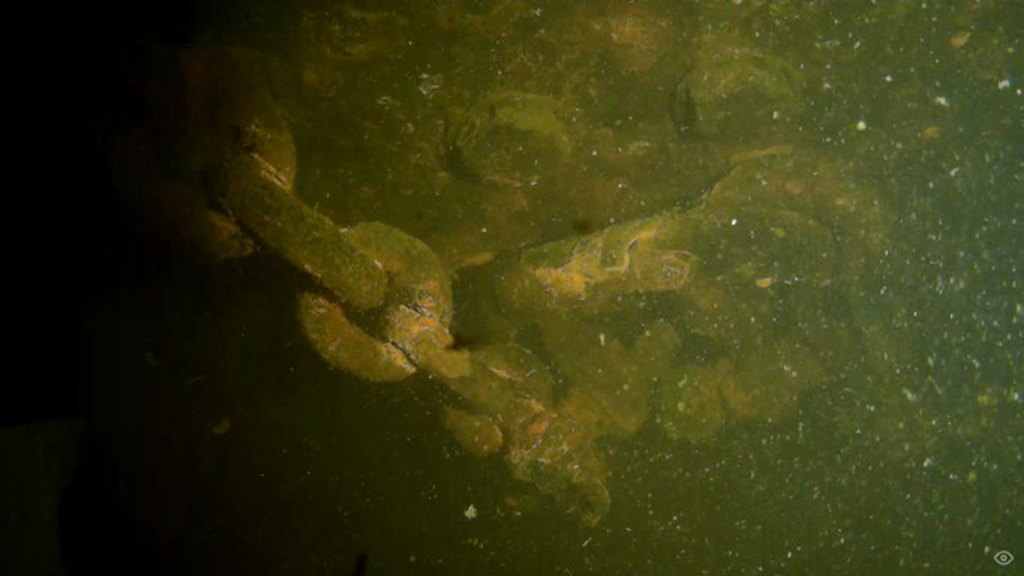
Reach DDCS frame of chain and shackle under growth, links distinct
Chain and shackle under heavy growth. Wear on the links is what an inspector is there to assess, and only one of these frames lets them.

Competitor system

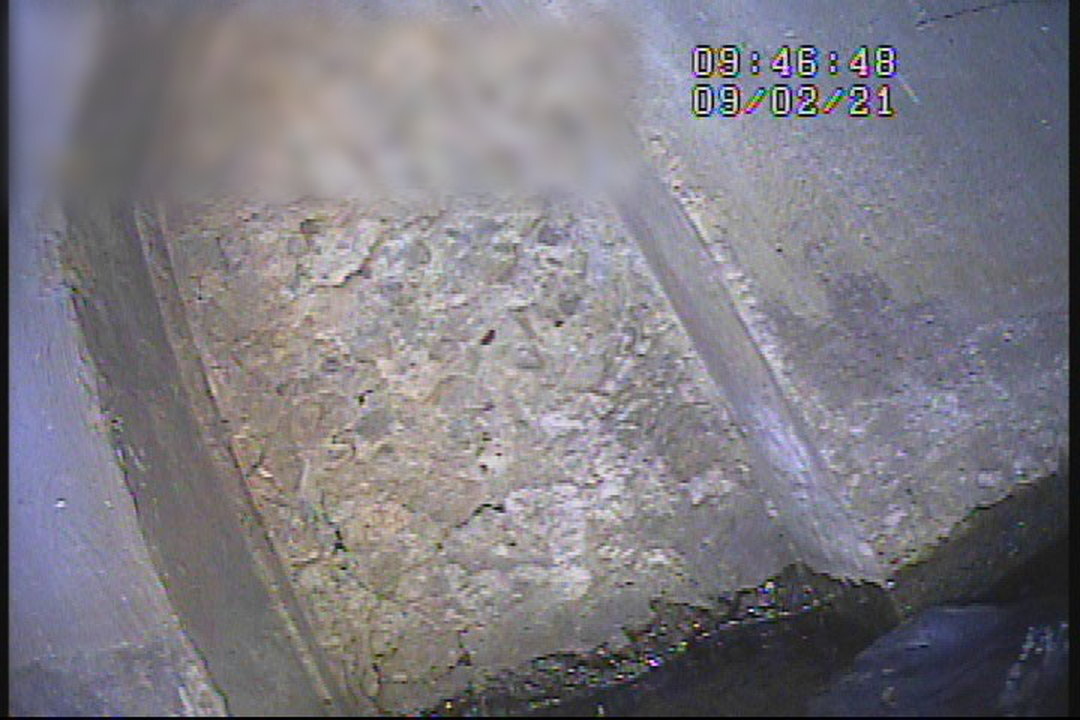
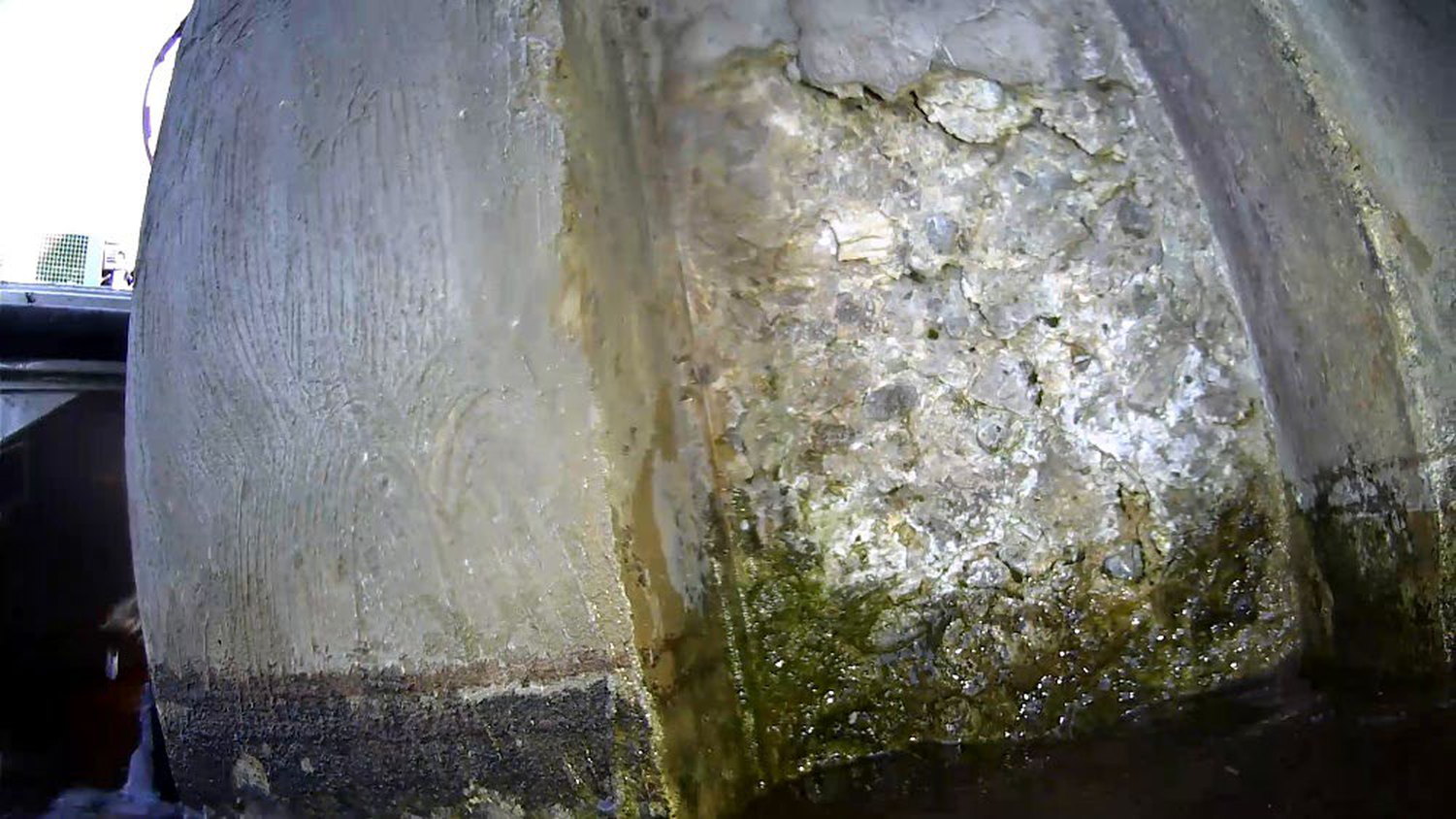
Competitor camera frame of a submerged concrete face

Reach DDCS

Reach DDCS frame of a submerged concrete face showing surface texture
A submerged concrete face. The purple and green cast on the competitor side is chroma noise rather than staining, and whoever reads that frame has to decide which it is.

Competitor system

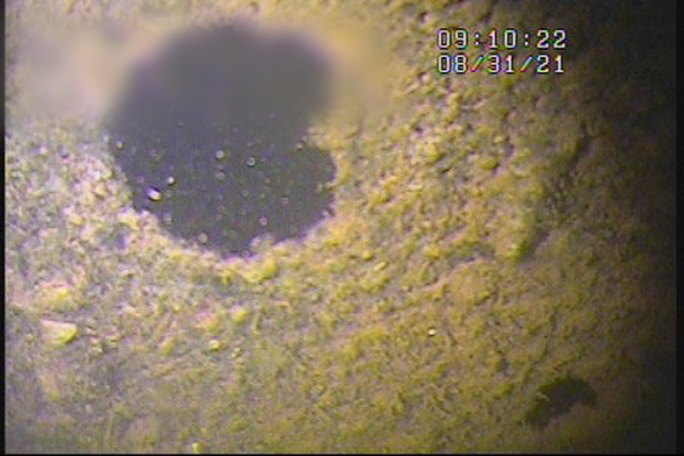
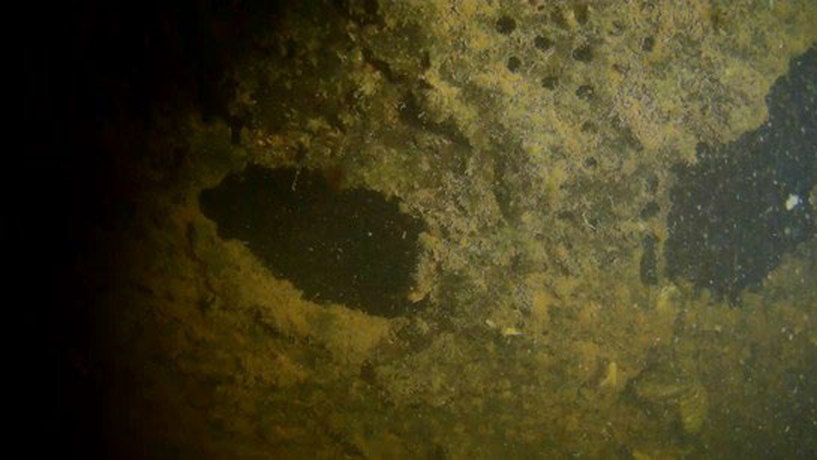
Competitor camera frame of biofouling around exposed voids

Reach DDCS

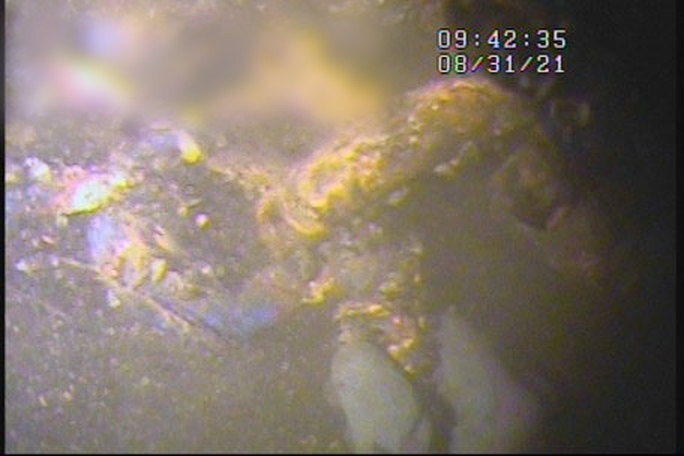
Reach DDCS frame of biofouling around exposed voids with a readable boundary
Growth around exposed voids. A coverage figure comes from the boundary between colonized and clean substrate, so that boundary has to survive into the file.

Competitor system

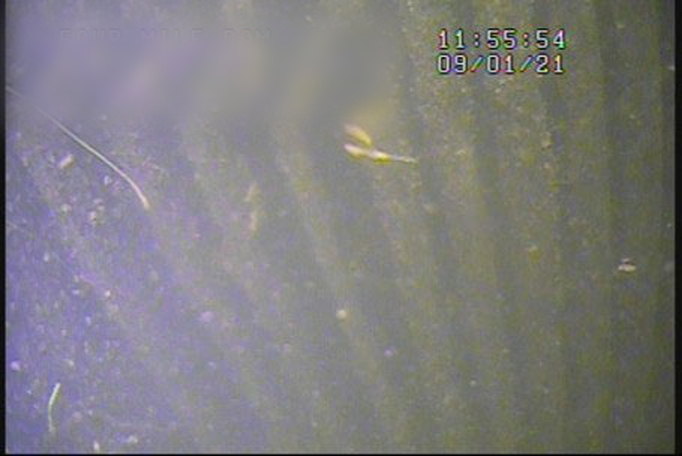
Competitor camera frame of submerged members through turbid water

Reach DDCS

Reach DDCS frame of submerged members through turbid water
Submerged members behind a turbid water column. Light comes back to both cameras. The question is how much of it carries information about the structure.

"The difference in image quality between the Reach System and competitor units is immediately noticeable. The enhanced detail allows our dive supervisors to interpret conditions more accurately during dive operations and communicate underwater findings with divers in real time.

For reporting, the improved image clarity provides stronger visual documentation, allowing us to better capture underwater conditions and support our findings with high-quality imagery. Ultimately, this gives our clients greater confidence in understanding the condition of their assets below the waterline."

- Justin Brendon, Underwater Specialist II at J.F. Brennan Company, Inc.

The same comparison in motion. A ruler enters frame mid-pass; watch how much of the surface stays readable while the camera moves.

Another pass, this time across heavy growth. The colonized edge is the detail to follow.

One system. Two ways to run it.

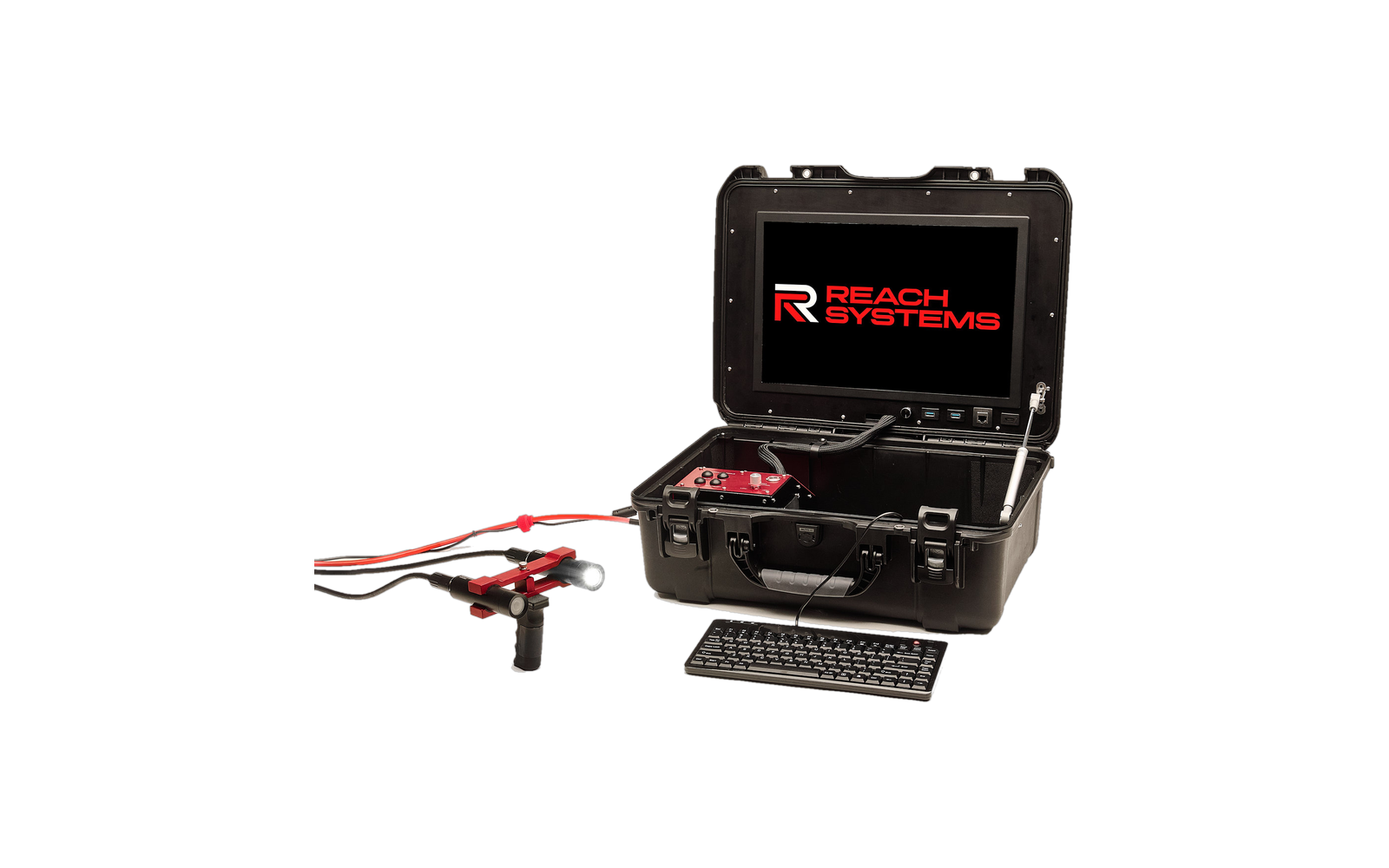
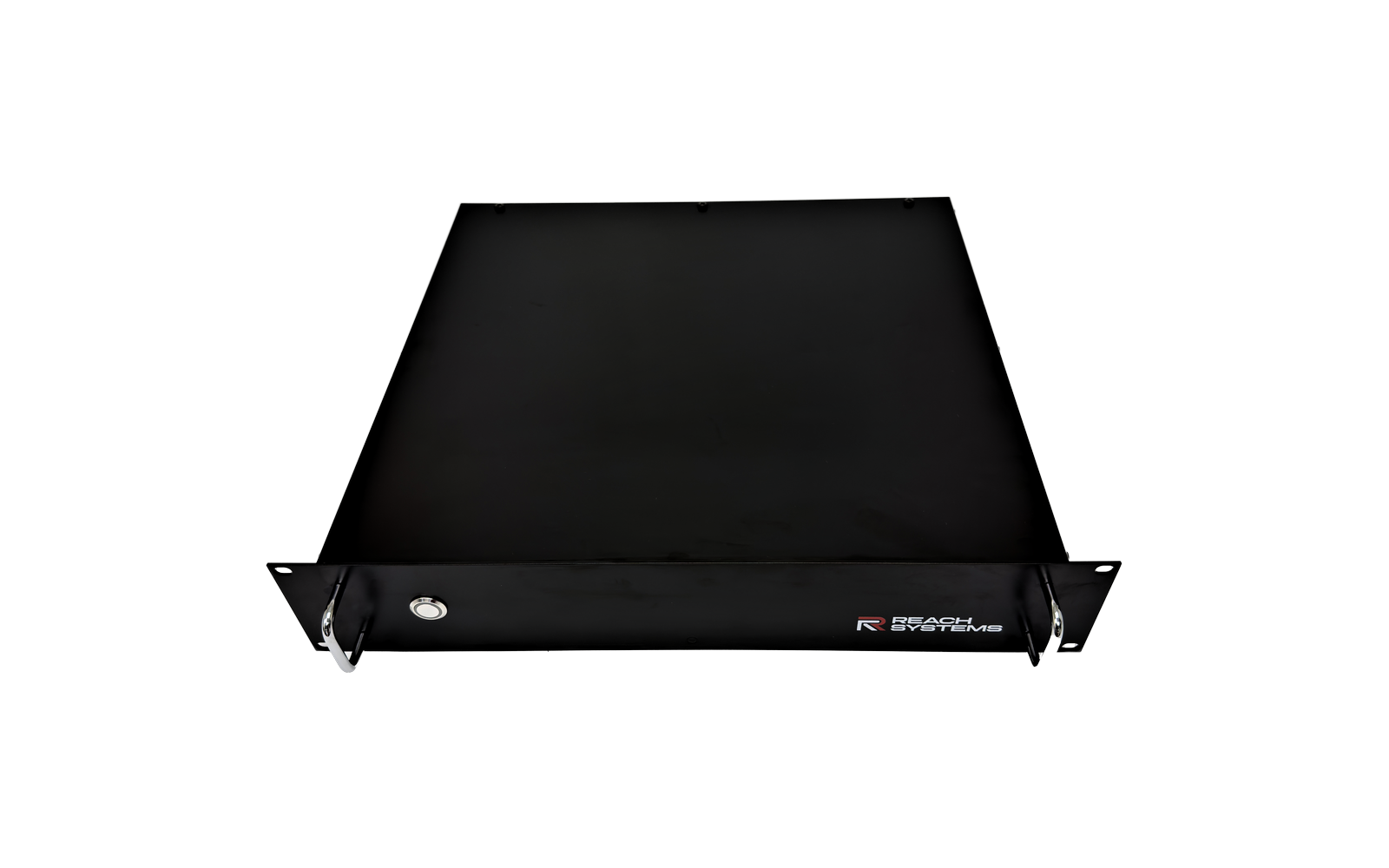
A durable platform for viewing and recording live underwater video, built around Reach's HD camera and variable-intensity LED light. At Clean Currents, we're showing both controllers.

Reach DDCS portable controller with pistol-grip camera and LED light

Portable Controller | Ready wherever the work is.

A 17-in daylight-viewable touchscreen in a rugged case, supporting two complete diver systems — the field-ready setup a dive team can deploy anywhere.


Reach DDCS rackmount controller

Rackmount Controller | Built into your topside setup.

For inspection programs run from a control station or vessel, the rackmount controller folds the DDCS into a documented, repeatable workflow — the setup owners and engineers can standardize on.

What the DDCS is built to support

Inspection you can act on
Video that's clear enough to base a decision on when it's received after the dive.

Dependable in real conditions
A system dive teams can run with confidence in the cold, dark and turbid water this work happens in.

A record that holds up
Site, date and time overlays plus real-time audio annotation, so the inspection stands on its own later.

A cleaner handoff
Footage that moves from the dive to engineering review to a decision without rework.

Digital Diver Camera System

  • 1080p HD camera, 300 m depth rating

  • Custom overlays — site, date and time on every record

  • 500 Gb storage with USB transfer

  • Variable-intensity LED for dark, turbid water

  • Real-time audio annotation, captured with the footage

  • Defog and wide dynamic range

  • Made in Canada

See the DDCS at Clean Currents 2026

We'll be showing the Reach Digital Diver Camera System at Clean Currents 2026, the National Hydropower Association's waterpower tradeshow, at the Phoenix Convention Center, 21–25 September 2026. Find us at Booth 721.

Owners and operators: stop by and see what your next inspection should look like on screen — the kind of footage you can hand straight to your engineering team.

Reach Systems at Clean Currents 2026

Can't make the show?

Get in touch and we'll walk through how your inspections get captured today, where the footage tends to fall short, and what a cleaner, more dependable record looks like. If you'd rather start on your own, take the two-minute assessment below.

How much friction is your dive camera system creating? Take the 2-minute field assessment